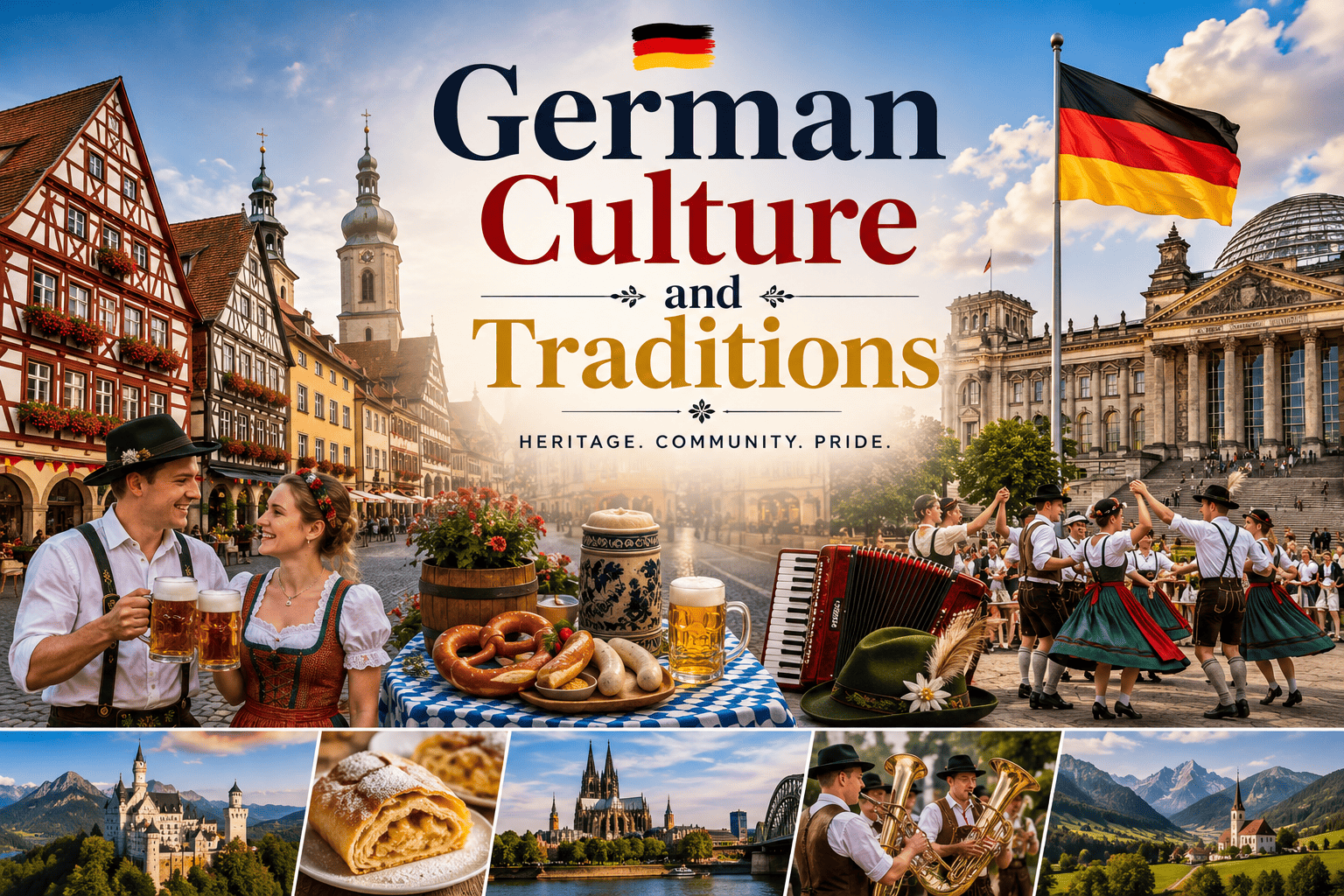
GERMAN CULTURE AND TRADITIONS
German culture and traditions are rich and deep. They old mix customs with modern life. Germany has long history. It has strong values. It has famous festivals. Learning about german culture and traditions helps you daily understand life in Germany. This guide explains german culture and traditions in words simple. You will learn about food, family and daily life. You will learn also how germany culture and traditions everyday routines shape, from small towns to big cities.
German culture and traditions are built on order, punctuality and strong family bond. Germans values honesty and work hard. Food traditions include bread, sausage and beer. Big festivals include Christmas markets, Oktoberfest and Karneval. Family life is close but personal respects space. These german traditions mix old and ways new of living.
What Are German Culture and Traditions ?
German culture and traditions comes from centurie of history. Germany has 16 state. Each state has own its customs. But some values stay same across country. Germans order value. They punctuality value. They also privacy value. These shape values daily life in small and big ways.
If you want to know more about german culture and history, it helps to look at country past. Germany was once split into small many kingdoms. Each kept region its own dialect and customs. This is why cultural traditions in germany differ so by much region. Bavaria different feels from Berlin. Hamburg different feels from Munich.
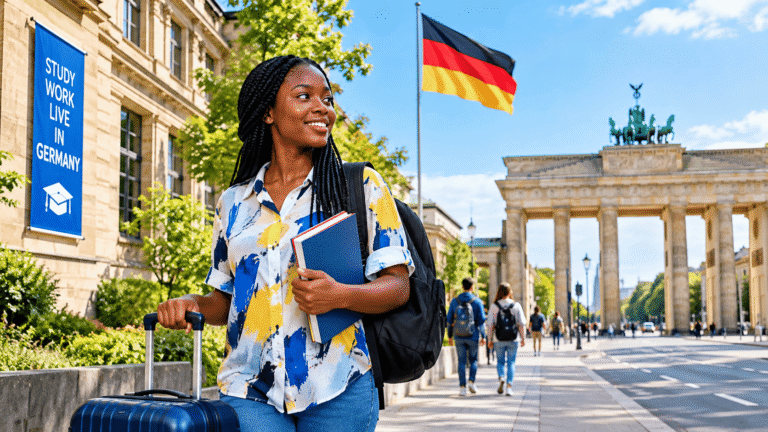
If you’re planning to live or study in Germany, local understanding customs helps you settle in faster. Our guide on how to study abroad in Germany more covers on daily student life alongside these cultural basics.
Core Values Behind German culture and Traditions
Every country has values core. These guide values behavior. They shape how people treat each other. Values sit at center of german culture and traditions. Here are main values behind german culture and traditions and values:
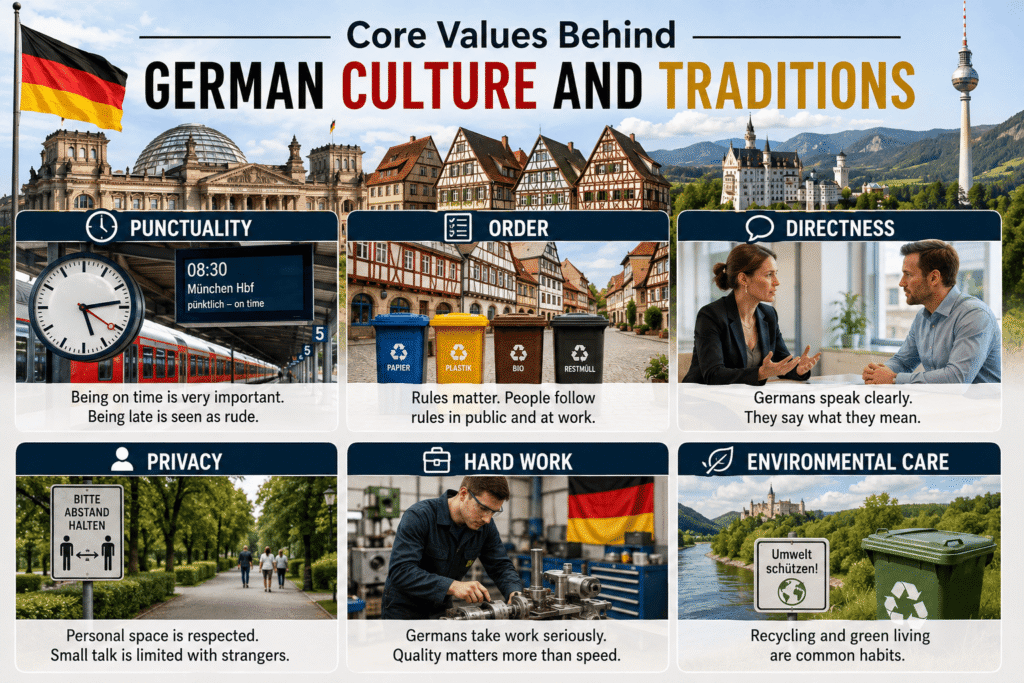
- Punctuality being on time is very important. being late is seen as rude.
- Order Rules matter, People follow rules in public and at work.
- Directness Germans speak clearly, They say what they mean.
- Privacy Personal space is respected. Small talk is with limited strangers.
- Hard work Germans take work seriously. Quality matter more than speed.
- Environmental care Recycling and living green are common habits.
These values are part of daily german culture and traditions. They show up in schools, offices and homes. They also shape visitors how are treated.
German Family culture and Traditions
Family life is central to german culture and traditions. German family culture and traditions focus on close but bonds clear boundaries. Here what family life often looks like:
- Sunday is family day, Many families eat lunch together on Sundays.
- Children are taught early independence. Kids often walk to alone school by age seven or eight.
- Grandparents play an active role, Many help with childcare.
- Chores are shared. Children responsibility learn from young age.
- Quiet hours Ruhezeit are respected. Loud noise is avoided on Sundays and at night.
This balance of closeness and independence is part key of german culture and traditions and values. It teaches children to be both connected and reliant self.
German culture and Traditions for Kids
Children grow with special customs too. German culture and traditions for kids include fun events and school routines. Here are common ones
- Schultüte: Large cone paper filled with sweets and school supplies. Kids get this on first their day of school.
- St. Martin Day: Kids walk with lanterns in November. They sing songs and remember a kind saint.
- Nikolaus Day: On December 6 kids leave boots outside. St. Nicholas fills with them treats.
- Kindergarten play Outdoor plays is valued even in cold weather.
- Fasching/Karneval: Dress kids in costumes and parades enjoy in February.
These german traditions help feel kids part of their community. They also teach shared history and values from young age.
German Food culture and Traditions
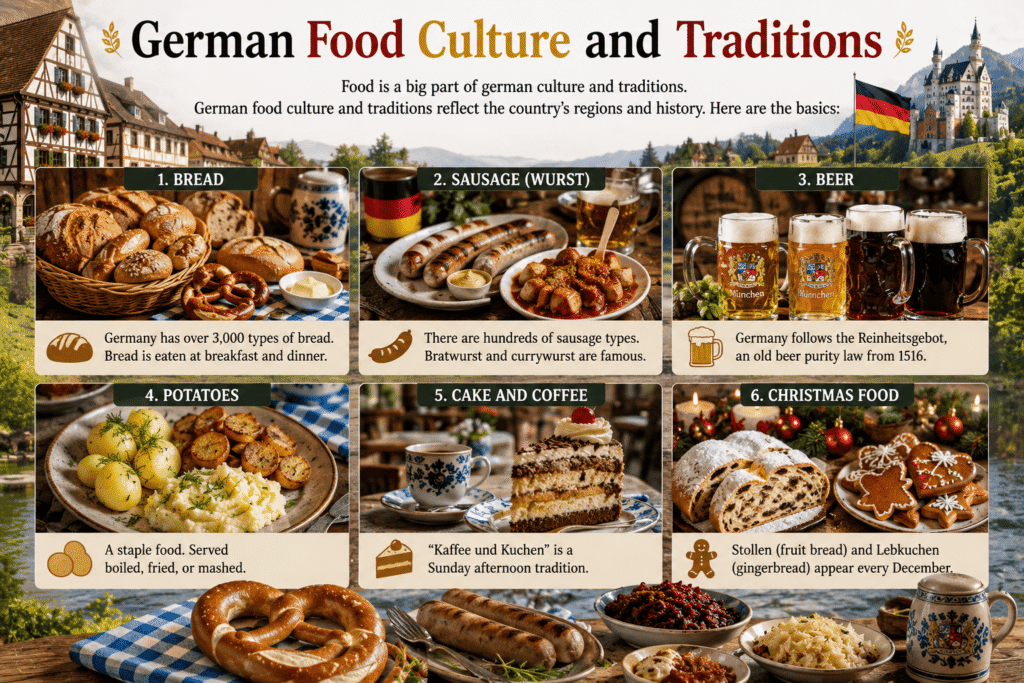
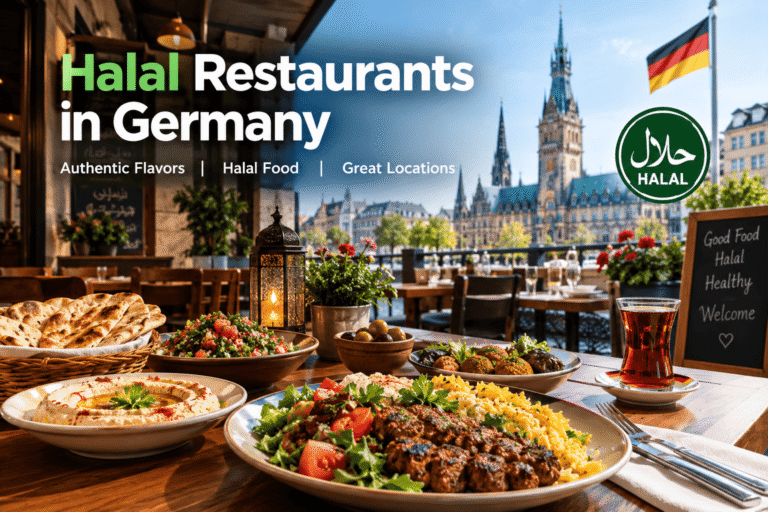
Food is big part of german culture and traditions. German food culture and traditions reflect country regions and history. Here are basics:
- Bread germany has over 3000 types of bread. Bread is eaten at breakfast and dinner.
- Sausage Wurst there are hundreds of sausage types. Bratwurst and Currywurst are famous.
- Beer germany follows Reinheitsgebot, an old beer law purity from 1516.
- Potatoes staple food. Served boiled, fried or mashed.
- Cake and coffee “Kaffee und Kuchen” is Sunday afternoon tradition.
- Christmas food stollen fruit bread and Lebkuchen gingerbread appear every December.
Food traditions bring together families. They also connect people to their region history. This is warm side of cultural customs in germany that visitors enjoy often most.
Festivals: Heart of German Culture and Traditions
Festivals show germany culture and traditions at their best. Festivals are lively part of german culture and traditions. Here are biggest ones:
- Oktoberfest: Held in each Munich September and October. It’s world’s largest beer festival.
- Christmas Markets: Held every December in every almost German city. They sell crafts, food and wine mulled (Glühwein).
- Karneval/Fasching: Colorful festival before Lent. Cologne and Düsseldorf huge host parades.
- Tag der Deutschen Einheit German Unity Day on october 3. It mark reunification of East and West Germany.
- Easter traditions painted eggs and Easter trees Osterbaum decorate homes and gardens.
These events are most visible part of cultural practices in germany. They mix history, food and community spirit into one big celebration.
German American culture and Traditions
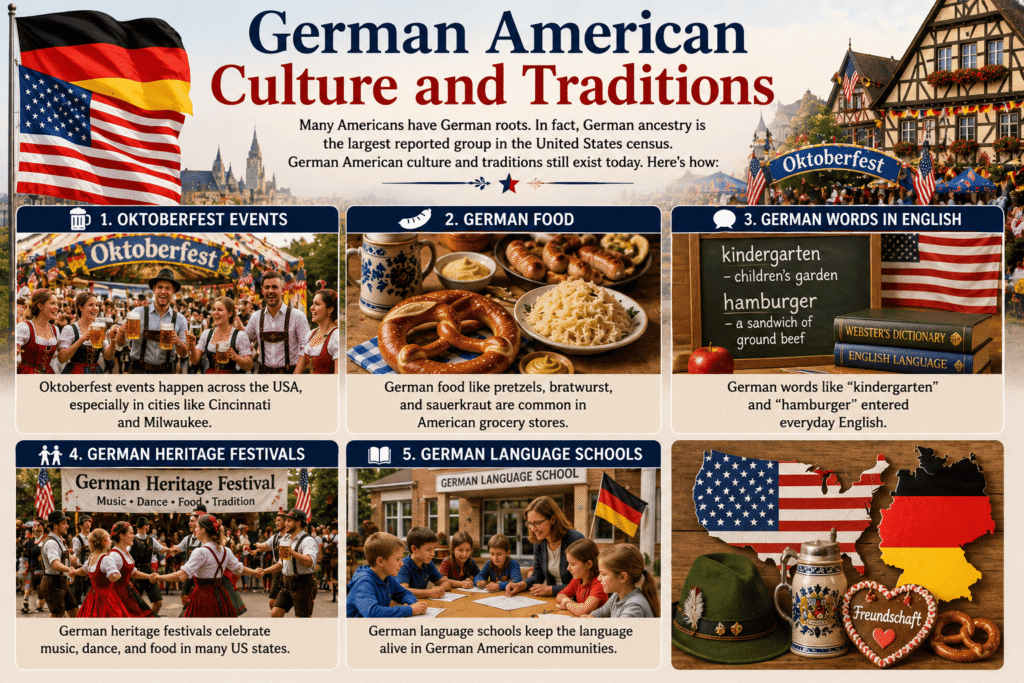
Many Americans have German roots. In fact German ancestry is largest reported group in United States census. German American culture and traditions still exist today. Here how:
- Oktoberfest event happen across USA, especially in citie like cincinnati and milwaukee.
- Food German like bratwurst, pretzels and sauerkraut are common in grocery american store.
- German Word like hamburger and kindergarten everyday entered English.
- German heritage festivals music celebrate, dance and food in many US states.
- German language schools keep language alive in German American communities.
This shows blend how german culture and traditions travel and adapt. If you’re US student about thinking studying in Germany yourself, our guide on student visa for Germany requirements explains exact steps to get there.
Regional Differences in German culture and Traditions
Not all german culture and traditions look same across country. Germany has 16 State. Each one add its own flavor. Here are few examples:
- Bavaria: Known for Lederhosen, Dirndl dresses and beer strong culture. Oktoberfest here started .
- Berlin: A modern mix of art, music and communities diverse. Old East and West customs blend still here.
- Rhineland: Home to Karneval biggest parades in Cologne and Düsseldorf.
- Northern Germany: Closer to sea. Fish dishes and Dialect plattdeutsch are common here.
- Saxony: Famous for traditions Christmas. Christmas pyramid and Christmas started markets in this region.
This mix regional is part of why cultural traditions in germany feel so varied. One trip to Bavaria can very feel different from trip to Hamburg. Both are still rooted deeply in german culture and traditions.
Why German culture and Traditions Matter for Students and Visitors
Learning about german culture and traditions is just not interesting. It practical too. Understanding customs local helps you:
- Make faster friends by respecting local habits
- Avoid social mistakes awkward at work or school
- Feel more at home faster
- Enjoy festivals and with real food understanding
- Stronger build relationships with German colleagues or classmates
For international students knowing germany culture and traditions matters often as much as academic preparation. Whether you’re aiming for top school like Technical University of Munich or hands on path through a Germany Ausbildung visa, cultural fit makes daily life smoother from day one.
Customs and Traditions in Germany Daily Life
Beyond big festivals small daily habits matter too. These are common customs and traditions in germany that visitors should know:
- Shake hands when someone meeting new.
- Use formal titles “Herr or Frau” until invited to use first names.
- Stores early close on Sundays. Many are closed fully.
- Recycling is seriously taken. Waste is sorted into several bins.
- Jaywalking is upon frowned, even with no traffic.
- Bring gift small, like flowers or wine, when invited to someone home.
Knowing these cultural traditions in germany helps avoid newcomers awkward moments. Small habits often say more about germany culture and customs than big festivals do.
How German culture and Traditions Shape Modern Life
Modern Germany old blends and new. Many german culture and traditions guide still life today, even in cities full of technology and startups. Students moving to Germany for university or training often notice this quickly mix. If you’re study exploring options, see our guide to public universities in Germany or learn about hands on training through Ausbildung in Germany. Both bring paths you closer to real cultural practices in germany, not just what you read online.
Cost of living also shapes how experience people german culture and traditions day to day. Our detailed guide on cost of living in Germany explains how much daily habits like eating out or attending actually festivals cost.
FAQS German culture and Traditions
What are main German culture and traditions ?
Main german culture and traditions include punctuality, order, family close bonds, strong food traditions and big festivals like Oktoberfest and Christmas markets.
What values are important in German culture and traditions ?
Punctuality, honesty, hard work, privacy and respect for rules are core values behind german culture and traditions and values.
What food is part of German culture and traditions ?
Bread, sausage, beer, potatoes and Sunday cake with coffee are heart of german food culture and traditions.
How is German American culture and traditions still alive today ?
German American culture and traditions live on through Oktoberfest events, German food in stores and heritage across festivals many US states.
What are common customs and traditions in Germany for daily life ?
Common customs and traditions in germany include formal greetings, Sundays quiet, strict recycling habits and bringing small gift when visiting someone’s home.
What traditions do German kids grow up with ?
German culture and traditions for kids include the Schultüte on first school day, St. Martin’s Day lantern walks and Nikolaus Day treats.
Final Thoughts on German culture and Traditions
German culture and traditions are mix of history, values and habits everyday. Learning german culture and traditions is journey not single lesson. From food to festivals, from family life to daily customs, germany culture and traditions shape how people connect and live . Whether you are visiting, studying or curious just, understanding these german traditions helps you see germany in deeper way. Once you know culture, everything else from making friends to settling into daily routines much becomes easier.
About the Author





1 thought on “German Culture and Traditions Explained: Food, Festivals & Family Values”